big sur marathon weather in april: what to expect
 By PaceKit Team · Updated April 2026 · 2 min read
Average race-day temperatures at Big Sur range from the low 40s at the 6:45 AM start to the high 50s by the time most runners finish. Humidity typically sits between 30% and 50%. Rain probability in late April is low (around 12% on any given day), but fog is common in the early miles, and the wind is the real weather story.
The start area, deep in the redwoods south of Big Sur Village, runs cold. Runners report corral temperatures in the low to mid 40s, with fog filtering through the canopy and limited sun exposure. You'll be standing around for a while before the gun goes off. A throwaway layer is essential here. Don't get attached to it, and don't skip it.
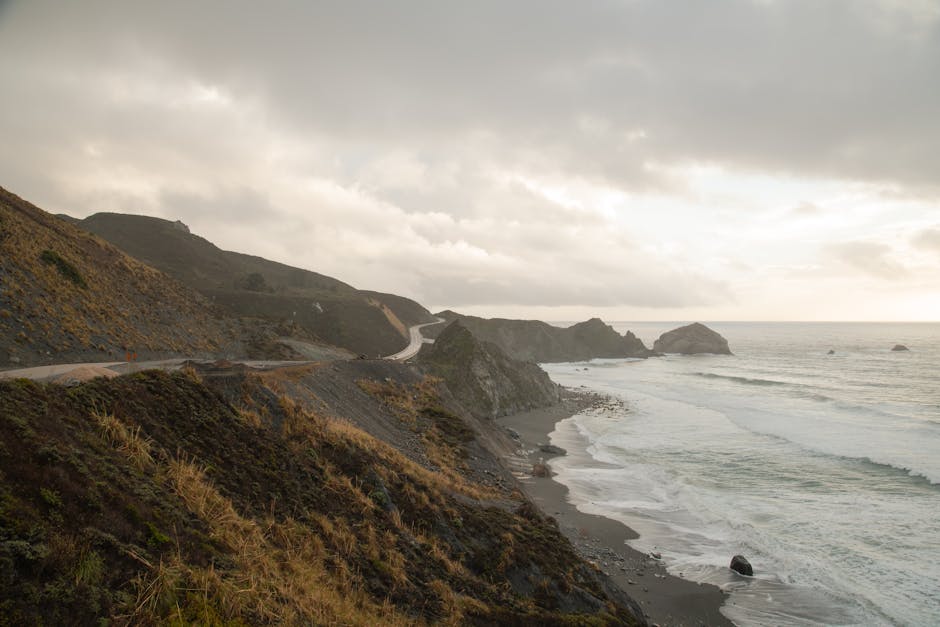
By mile 5, when the trees open up and the Pacific appears, the temperature climbs into the low 50s and the character of the weather changes completely. Shade drops from 65% (redwoods) to 5% (open coast). The NW wind arrives and doesn't leave for roughly 16 miles. This isn't a gentle sea breeze. Along exposed stretches, persistent onshore winds of 15 to 25 mph are normal, and on Hurricane Point they can be dramatically stronger.
section by section
Miles 0 to 3: Cold (low 40s), foggy, 65% shade, sheltered from wind by redwood canopy. Feels significantly colder than the rest of the course.
Miles 3 to 10: Transitional, then fully exposed. Temperature rises into the low-to-mid 50s as you leave the tree cover. 5% shade from mile 5 onward. NW wind becomes persistent. Hits from the left-front.
Miles 10 to 13: Hurricane Point and Bixby. Completely exposed. Wind is at its worst. Windchill can make the mid-50s feel like the low 40s again on exposed skin. Runners have reported numb arms and hands on this stretch even on days with moderate temperatures.
Miles 13 to 21: Continued full exposure. 8 to 10% shade. The wind shifts slightly as you move north, with more of a direct headwind component. The sun is higher by now (mid-morning), so actual air temperature may reach the upper 50s, but the wind keeps the perceived temperature lower.
Miles 21 to 26.2: Partial to full shelter returns as you enter the Carmel Highlands and approach the finish. Trees, residential structures, and terrain break the wind. 25 to 35% shade. This often feels like a completely different climate than the mid-course.
the fog factor
Big Sur fog is famous and unpredictable. Some years, the entire course is socked in through mid-morning, which keeps temperatures cool and eliminates sun exposure concerns. Other years, the fog burns off by mile 5 and the sun is strong from mid-race onward. You can't predict this more than 48 hours out. Check the forecast on Friday night and adjust your layers.
what this means practically
You'll experience a 15 to 20 degree temperature swing across the course, from the cold, shaded start to the warmer, sunlit finish. The wind is the variable that changes everything. A calm day at Big Sur is a fundamentally different race from a windy one. On a calm day, mid-50s with fog, this course is close to ideal running weather. On a windy day, the exposed miles become a battle.
One thing nobody tells you: sunburn is a real risk on clear days. You're running south-to-north on a coastal highway with 5% shade for 16 miles. Even at 55 degrees, the combination of direct sun, salt air, and reflective pavement can burn exposed skin. Sunscreen on arms, neck, and face is worth the 30 seconds it takes to apply.