Jersey City
April 19, 2026 @ 7:00 AM
jersey city marathon
Marathon Double Loop Difficulty ★★☆☆☆

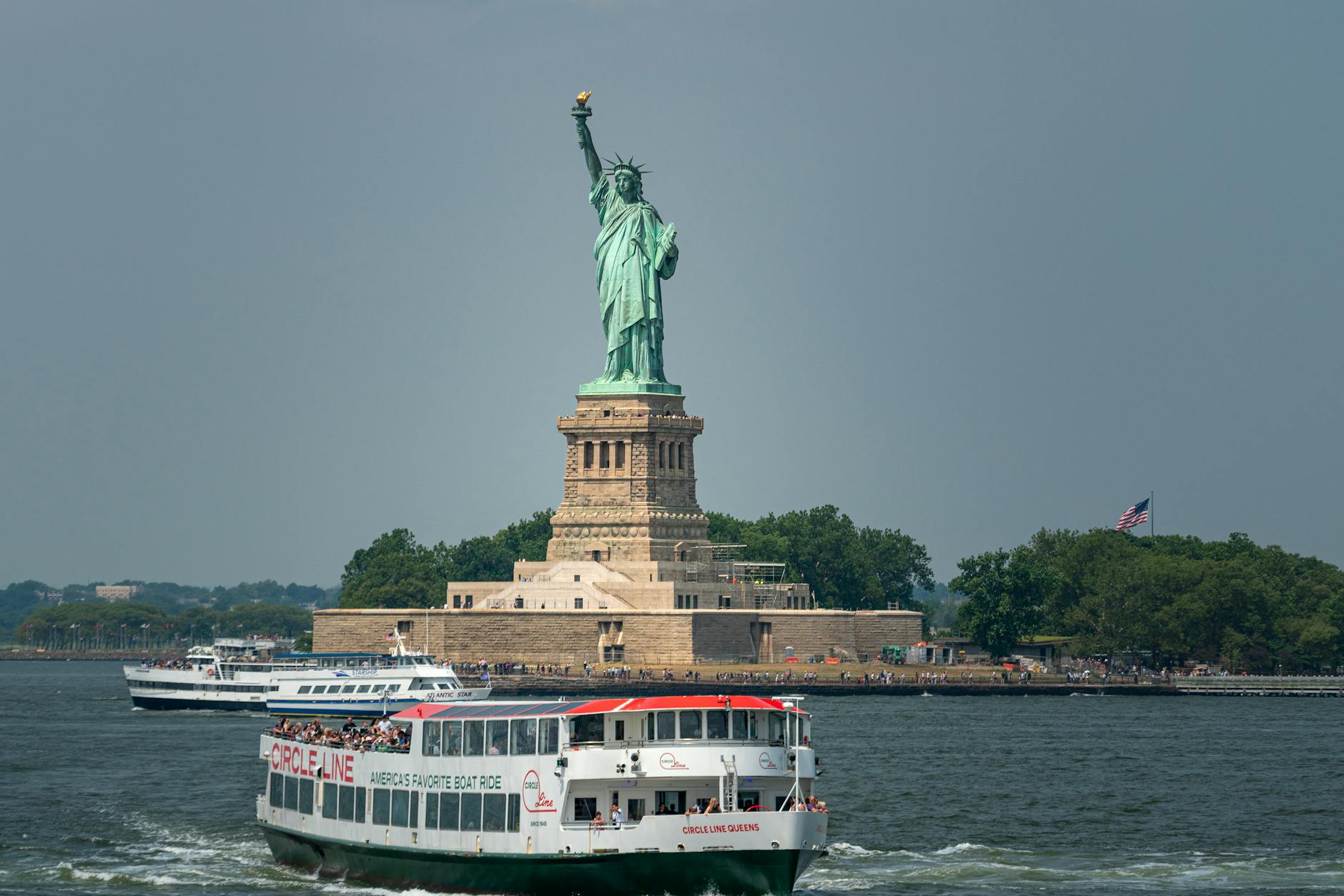
The Manhattan skyline on your left shoulder for 26.2 miles, the Statue of Liberty at mile 18, and a flat Hudson River waterfront loop that qualifies for Boston and catches anyone who treats "flat" as "easy."

PaceKit By PaceKit Team · Updated April 2026 · Built from course data, historical conditions, and runner reports
Course Difficulty
2/5
Flat double-loop waterfront course. 228 ft total gain, sea level. The difficulty is wind, exposure, and the mental game of loop two.
Climbing
Steepness
Exposure
Placement
What You Need to Know
  1. THIS IS A DOUBLE LOOP. THE SECOND RUN IN REVERSE. You run the course once, then again in the opposite direction. Same streets, different experience. Less repetitive than it sounds.
  2. THE FLAT OPENING IS A TRAP The waterfront at mile 1 in the early morning, Manhattan across the river, crowd noise, fresh legs. Add 5 seconds per mile anyway.
  3. LIBERTY STATE PARK HITS AT MILE 18 WITH THE HARDEST CLIMB ON THE COURSE 38 feet over 0.65 miles, fully exposed, no shade, NW wind off the bay. At mile 18 that's not nothing.
  4. THE COLGATE CLOCK IS 50 FEET ACROSS It's been on this waterfront since 1908. Its design was inspired by a bar of soap. Its neon-red hands are visible from Staten Island at night. :)
  5. BQ ELIGIBLE. 16% OF FINISHERS QUALIFIED IN 2025. If that's why you're here, the course supports it. The first half needs to be run correctly to find out.
Elevation Profile
Newport Journal Sq Liberty Park Finish
the brief

This breakdown is based on detailed course mapping, historical race conditions, and real runner feedback from past years.

You signed up for Jersey City because it's flat, it's fast, it qualifies for Boston, and you want to run a good time in April without traveling very far. That's a legitimate reason and the course delivers on it, with one honest condition. Flat courses at scale still have wind, still have miles 17 through 21, and still have a Liberty State Park climb that arrives exactly when you're hoping the race is over. The Manhattan skyline is genuinely spectacular. It doesn't change what mile 19 asks of you.

The course is a double loop starting and finishing at Newport Green on the Hudson waterfront. Loop one goes south through Bergen-Lafayette, west toward Journal Square, back through the downtown brownstone grid, and out to Liberty State Park where the Statue of Liberty and Ellis Island sit across the water. Loop two covers the same ground in reverse. The landmark density is real: the Colgate Clock, Exchange Place's glass towers, Van Vorst Park's Victorian rowhouses, the 1889 Central Railroad of New Jersey Terminal where 10.5 million immigrants arrived after Ellis Island. You pass all of it on a course that barely rises above sea level.

A few things worth knowing before April 19. The bag check closes at 6:27am. Arrive earlier than you think you need to. The wind off the Hudson on the waterfront miles is consistent and arrives from the northeast with nothing to block it. Liberty State Park at miles 18 through 21 is the most exposed section on the course by a significant margin: 5% shade, open meadow, NE wind, and the hardest climb of the race. Runners who run the Journal Square section too fast at miles 8 and 9 feel it there. Runners who don't, don't.

Your Priorities
01
Add 5 seconds per mile for the first five miles and hold that discipline. The Hudson waterfront at 7am in April, with Manhattan across the river, will feel like the most natural place in the world to run fast. The course is effectively at sea level. The crowd is at its thickest. Add 5 seconds per mile and use the first loop to find rhythm, not to bank time.
02
Run Journal Square by effort, not pace. The climb from miles 8 to 9 is the hardest sustained grade in the first half. 35 feet over about a mile, steeper than the surrounding terrain makes it look. Add 12 seconds per mile through miles 6 to 10 and run the descent on the other side in control. Van Vorst Park is right behind it and miles 11 through 14 are the cleanest goal-pace window on the course.
03
Liberty State Park is the race. Miles 18 through 21: the course high point at mile 19, 5% shade, fully exposed to NE wind off the bay, and the Statue of Liberty visible across the water while your legs try to have a conversation with you about your decisions in the first five miles. Add 15 seconds per mile, run by effort, and get through. The final waterfront miles back to Newport Green are yours if you do.

segment breakdown

By terrain, exposure, and how effort changes across the race.

downtown waterfront Miles 0-2.5
10% shadeNE windFlat
downtown waterfront

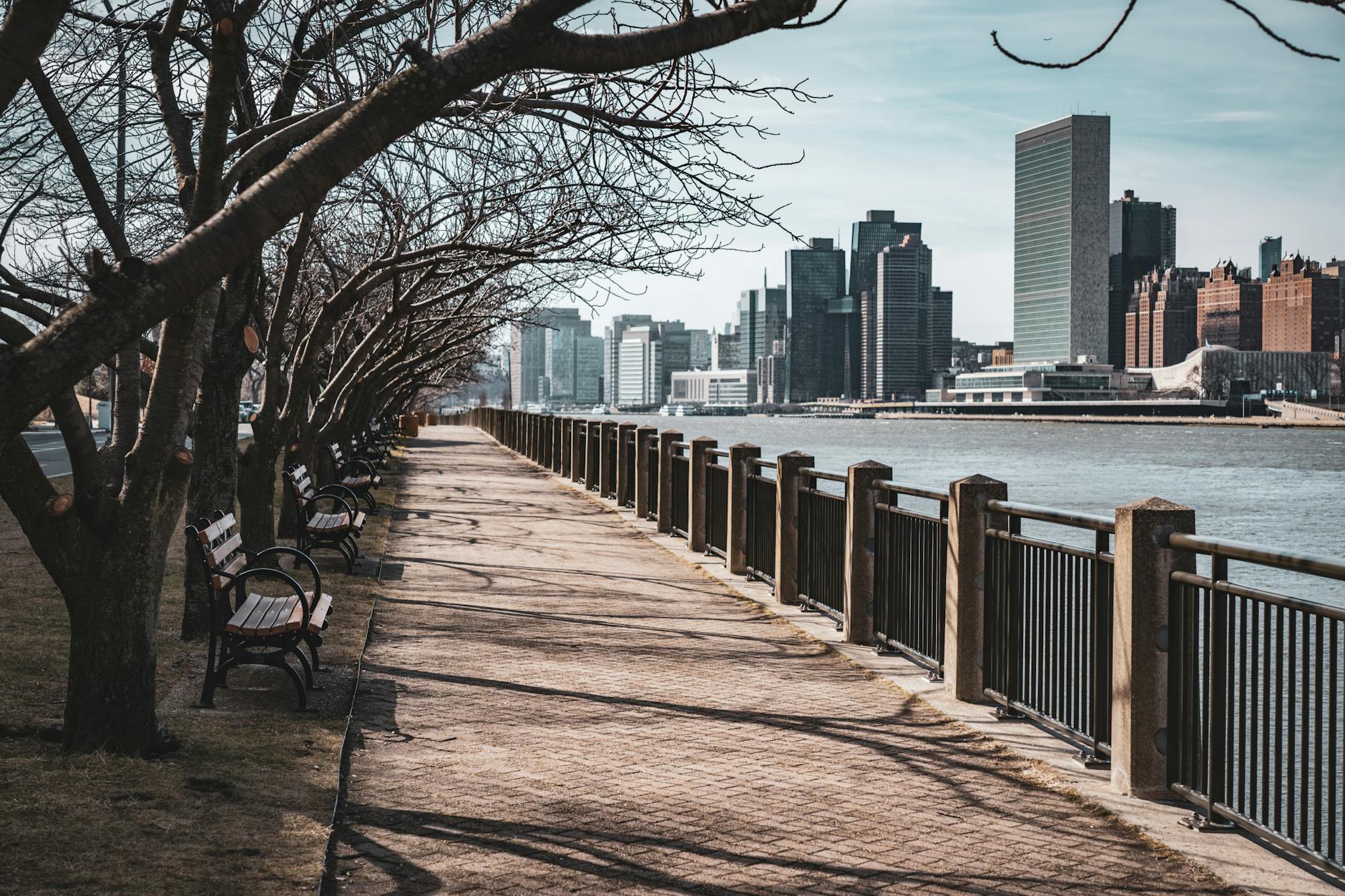
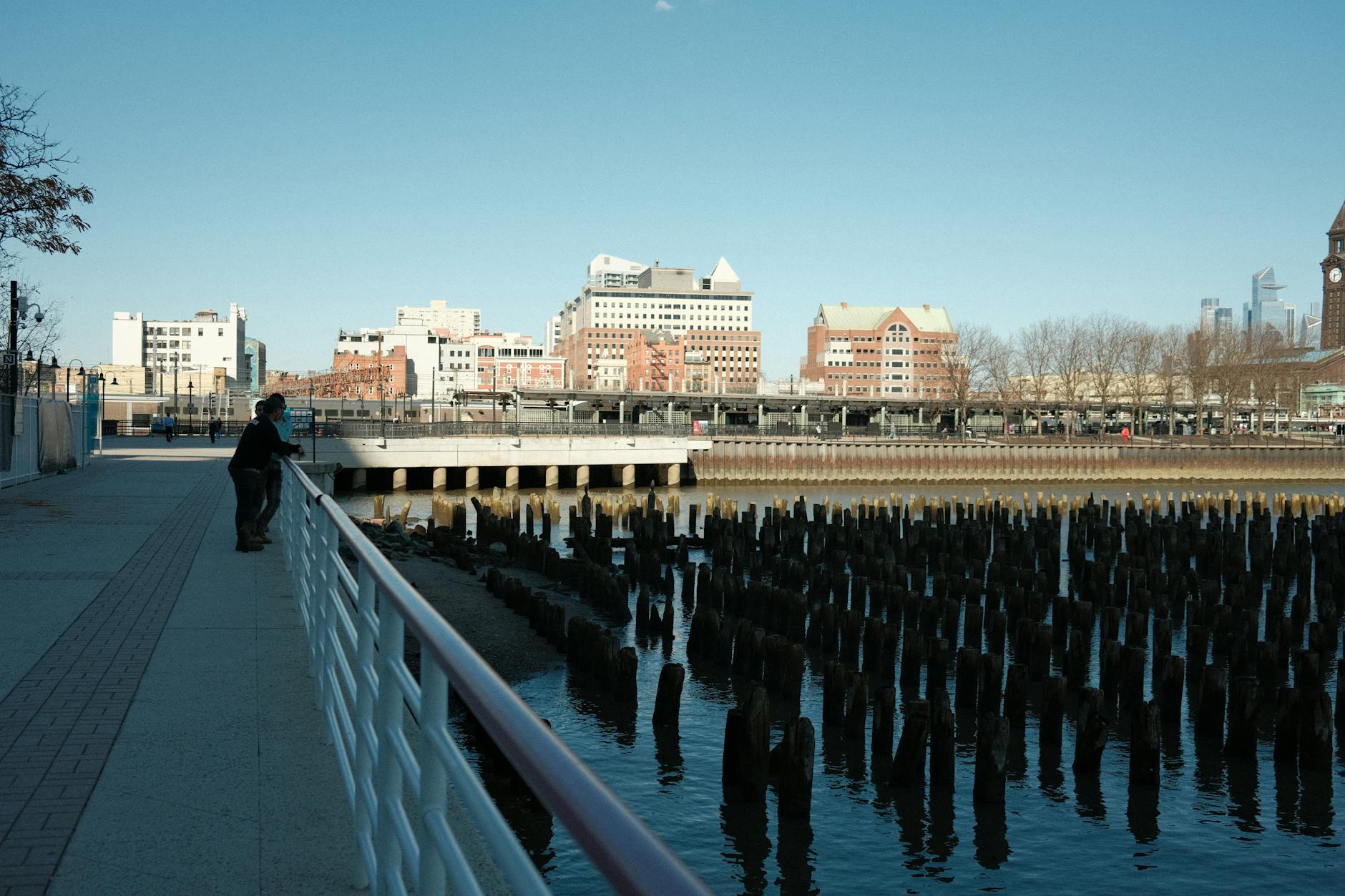
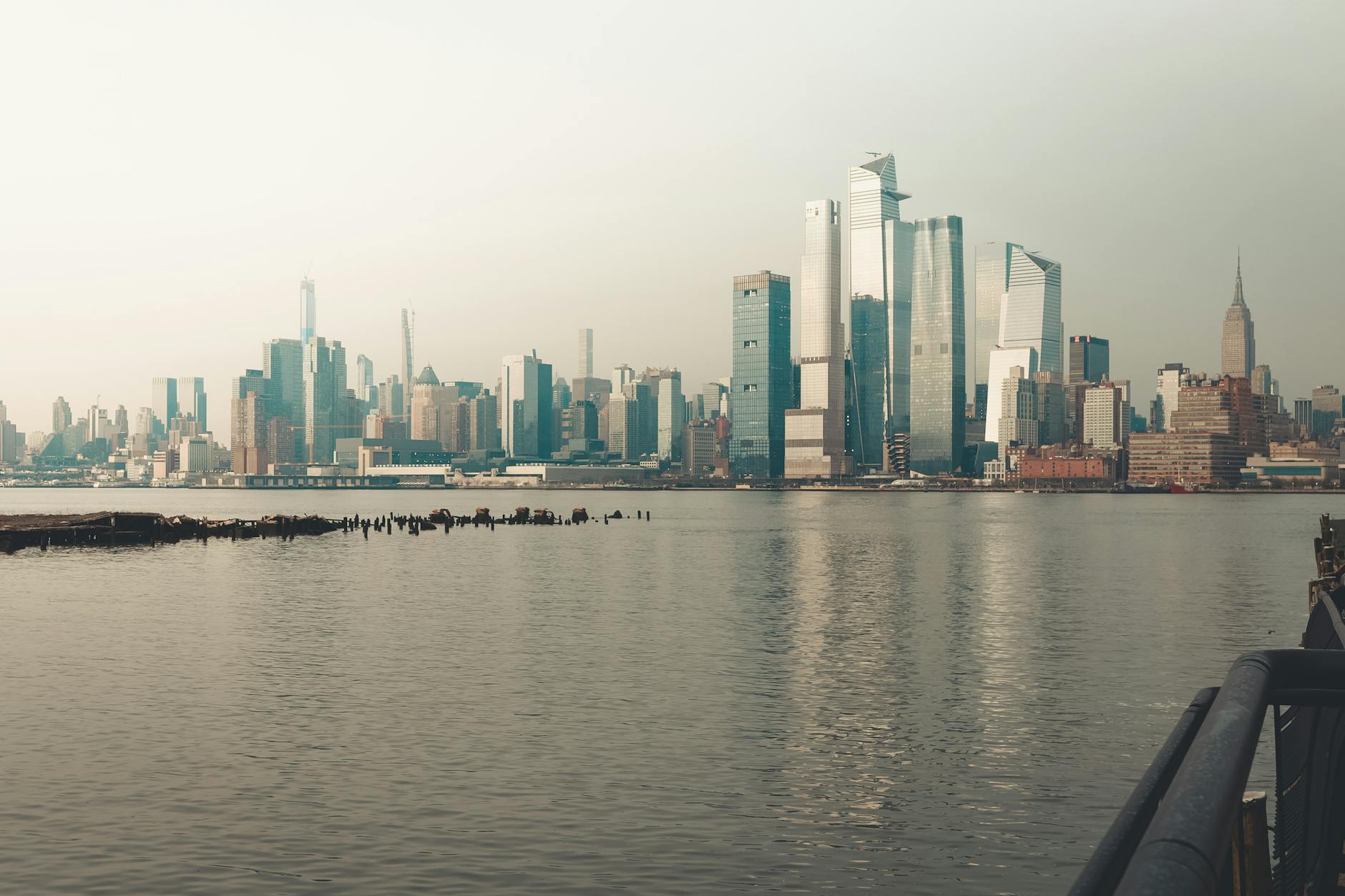
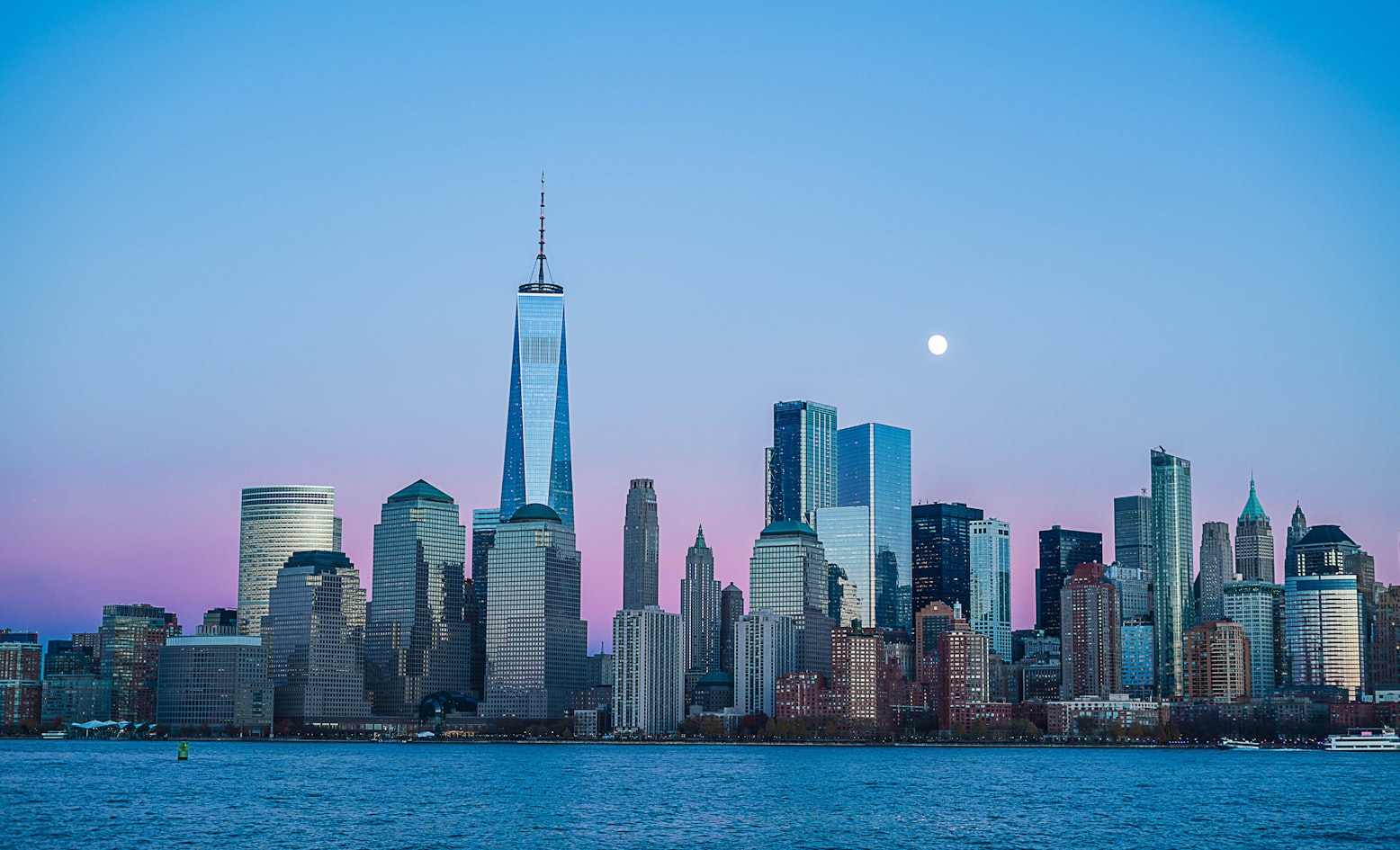
The race starts at 7:00am at Newport Green on the Hudson esplanade. Manhattan is directly across the river, the financial district, the towers, the full skyline. It is the first thing you see when you step to the line and it is there for most of the next 26.2 miles.

The waterfront is essentially at sea level, 9 to 10 feet of elevation, grades negligible. Everything about this section says to go. The crowd is at maximum density, the adrenaline is real, the air is cool off the river. Add 5 seconds per mile. The NE wind arrives from across the Hudson with nothing between you and it, the most wind-exposed stretch on the course until Liberty State Park.

Aid stations: Mile 1.5

bergen-lafayette Miles 2.5-5.5
20% shadeSheltered windFlat
bergen-lafayette

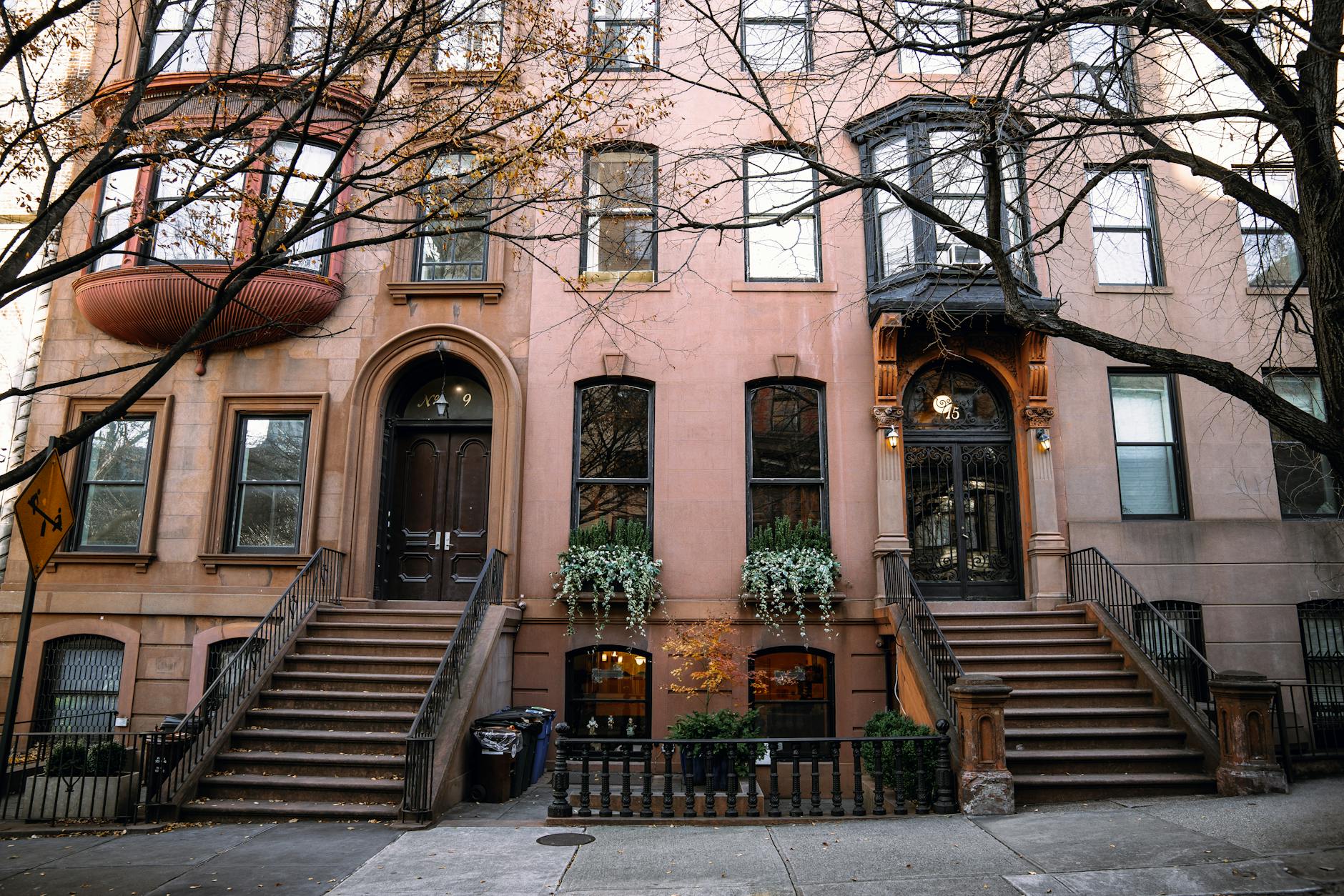
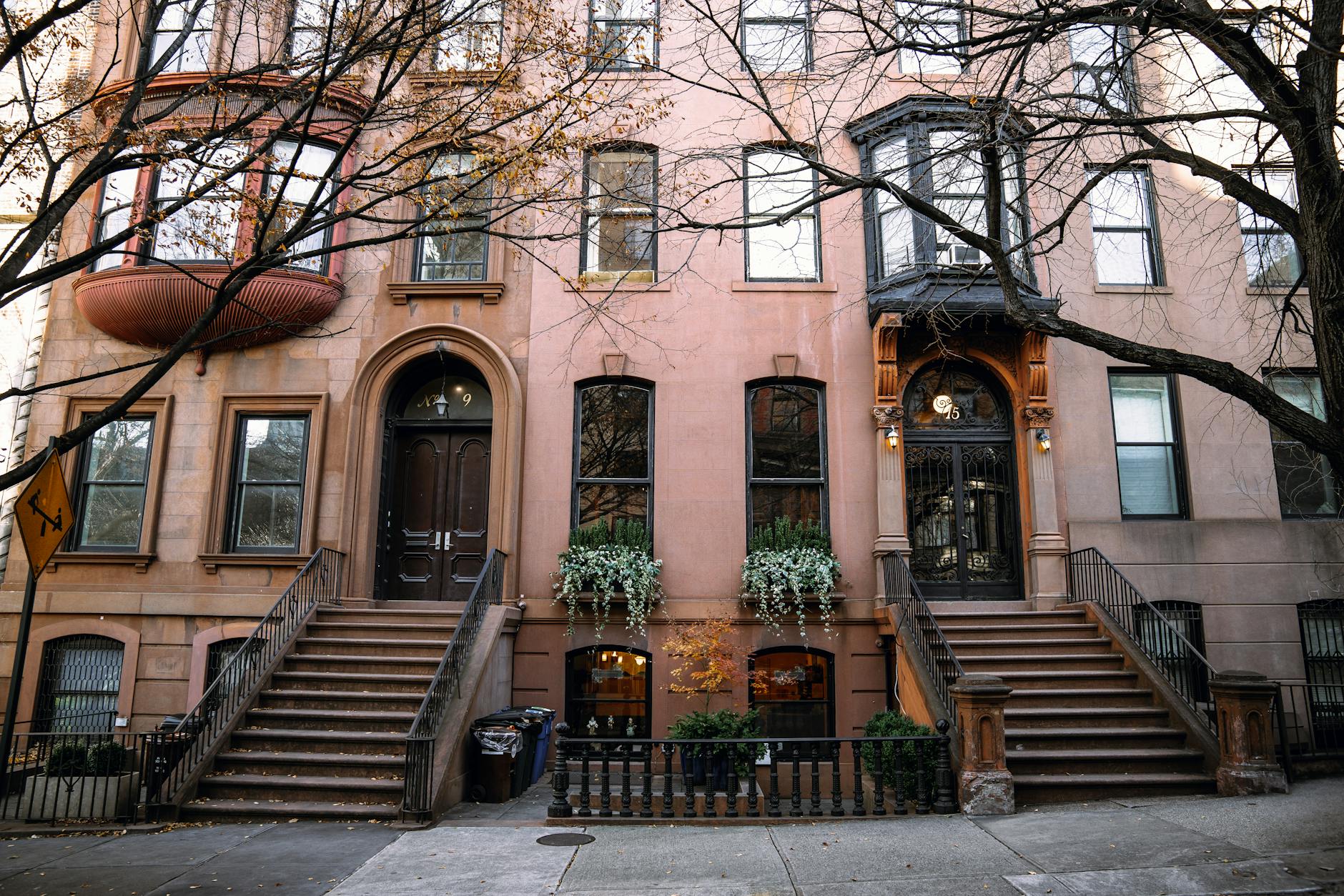
The course swings southwest through Bergen-Lafayette, one of Jersey City's oldest neighborhoods, Victorian and wood-frame houses, corner bodegas, local churches. The crowd thins from waterfront thickness to neighborhood warmth. Some blocks are genuinely noisy. Others are just people who live here and came outside.

Elevation barely moves. The terrain bounces between 7 and 11 feet with negligible grade. Use this section to settle into a rhythm and let the opening adrenaline dissipate. The westward climb toward Journal Square starts at mile 5.5 and the Journal Square climb itself at mile 8.

Aid stations: Miles 3.0, 4.5

westward push Miles 5.5-8
30% shadeMixed wind+15 ft
westward push

Wider residential streets through the West Side, mostly quiet, the Manhattan views now behind you. The terrain drifts gradually upward through miles 5.5 to 7 with grades between 0.3% and 0.5%. Nothing steep but a consistent accumulation. Shade improves from the waterfront exposure to around 30% as the commercial buildings on the Journal Square approach fill in.

Keep effort honest and controlled. The Journal Square climb is the next section and arriving there having already pushed on the gradual westward approach is a mistake that shows up at mile 18.

Aid stations: Miles 6.0, 7.5

journal square Miles 8-10.5
25% shadeMixed wind+35 ft
journal square

Journal Square has been the commercial and transportation heart of Jersey City since the early 20th century. The PATH train hub. The Loew's Jersey Theatre, a grand 1929 movie palace with an ornate facade, listed on the National Register of Historic Places, one of the last surviving atmospheric theatres in the country. The square is the kind of place that tells you something about a city.

The climb through miles 8 to 9 gains 35 feet over about a mile, the hardest sustained uphill grade in the first half. Add 12 seconds per mile, shorten your stride, and don't fight it. The descent on the other side is real and the downtown core is immediately after. On the Black Tom explosion of July 30, 1916, a German sabotage operation on a munitions depot a mile south of here, shrapnel from the blast struck the clock tower at Journal Square and stopped it at 2:12am. The explosion was felt as far as Philadelphia and the torch of the Statue of Liberty has been closed to visitors ever since because of damage from flying metal. You run through the aftermath of that history at mile 8 without knowing it.

Aid stations: Miles 9.0, 10.5

downtown core Miles 10.5-14
40% shadeSheltered windFlat
downtown core

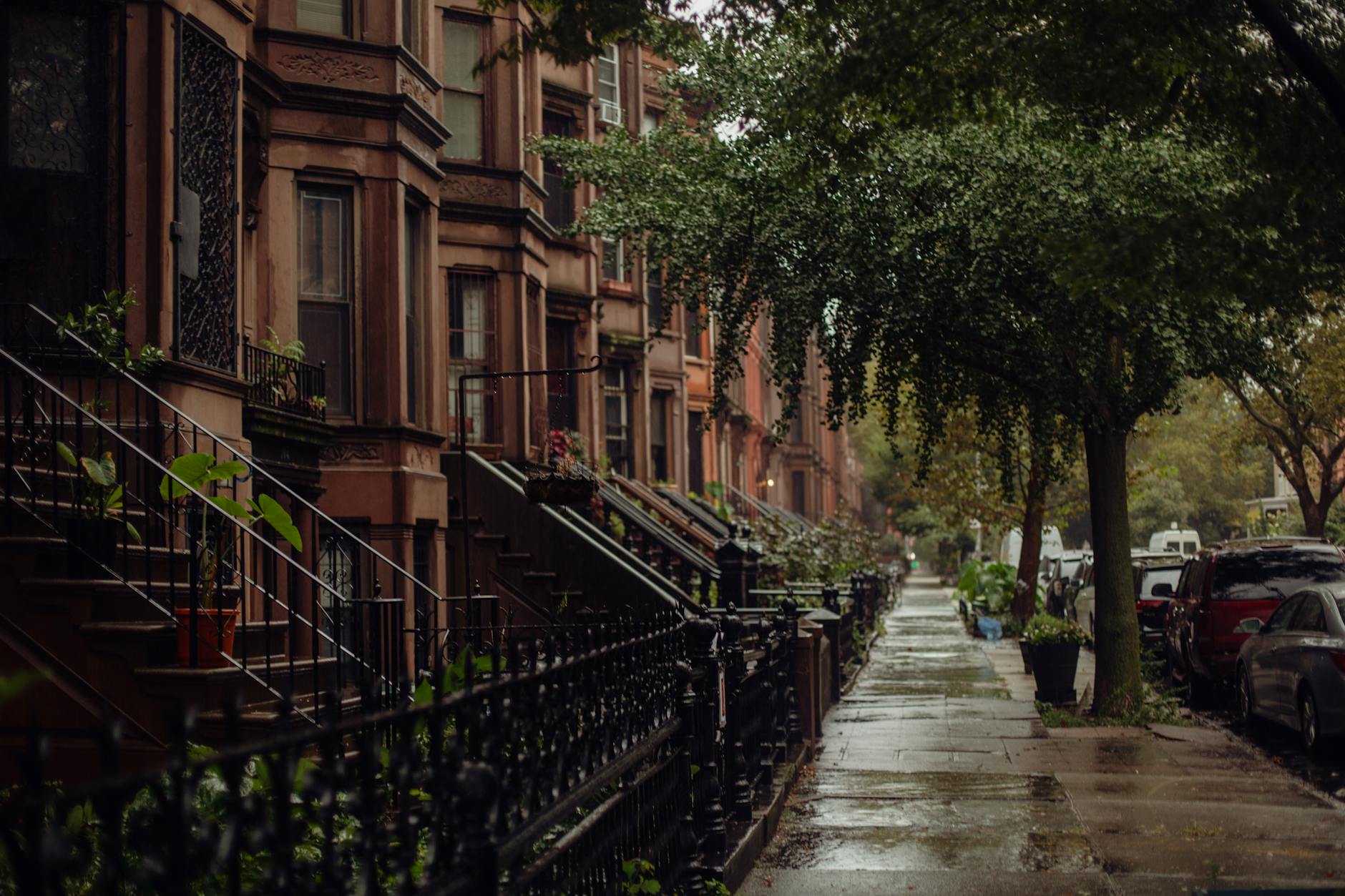
Van Vorst Park sits in the heart of downtown Jersey City, surrounded by some of the finest Italianate and Queen Anne rowhouses in the city. 40% shade, the best tree canopy on the course. The Victorian-era park and the brownstone-lined blocks around it are the most visually rewarding inland miles of the race.

Miles 11 through 14 are the cleanest goal-pace window on the course. Elevation idles between 5 and 10 feet with grades essentially zero. Your body is warmed up but not yet depleted. Run what you came to run through here. Liberty State Park is coming at mile 18 and the second loop of this course is earned here, not there.

Aid stations: Miles 12.0, 13.1

waterfront return Miles 14-17.5
20% shadeNE windFlat
waterfront return

The course swings back toward the water through Liberty Harbor's newer residential developments. The Hudson River and the Manhattan skyline return to view. Shade drops back to 20% and the NE wind off the river reappears.

The terrain stays low and manageable, oscillating between 6 and 14 feet. Run 3 seconds per mile faster than goal pace through here if you have it. The mild downhill trend helps. The Statue of Liberty comes into clearer view as you approach Liberty State Park. Ellis Island is visible across the water to the east.

Aid stations: Miles 14.5, 16.0

liberty state park Miles 17.5-21
5% shadeNE exposed+38 ft
liberty state park

Liberty State Park was a railroad yard. Then it was abandoned. Then, in 1976 as part of America's bicentennial, the state opened it as a public park on what had been 141 acres of decaying tracks and industrial debris. The 1889 Central Railroad of New Jersey Terminal, Beaux-Arts, grand, restored, stands at the north end of the park. After immigrants were processed at Ellis Island, two-thirds of them came through this terminal to board trains to the rest of the country. An estimated 10.5 million people entered the United States through this building. You run past it at mile 18.

The hardest climb on the course is at miles 18.75 to 19.4. 38 feet over 0.65 miles through fully exposed open meadow, 5% shade, NE wind with nothing between you and the bay, Liberty Island and the Statue of Liberty across the water to the east. Add 15 seconds per mile. Don't race it. The Statue of Liberty is 305 feet of copper that has been standing in that harbor since 1886. It does not care about your pace. Get through, and the course returns toward sea level.

Aid stations: Miles 17.5, 19.0, 20.0
southern waterfront Miles 21-23.5
20% shadePartial wind+25 ft
southern waterfront

The course works back through Communipaw, a historic corridor named for the Lenape settlement that preceded European colonization on this part of the Hudson, toward the southern waterfront. There is a secondary climb of about 25 feet between miles 21.5 and 22.7 that most runners don't anticipate after the Liberty State Park effort. It is small. At mile 21, small registers differently than it would at mile 6.

The waterfront esplanade comes back into view as the course transitions north. Newport Green is ahead. 20% shade through here, partial wind protection as the buildings return.

Aid stations: Miles 21.5, 23.0

the finish Miles 23.5-26.2
15% shadeNE windFlat
the finish

The final 2.7 miles return to the waterfront esplanade where the race started. The Manhattan skyline is back in full view on your left. The crowd builds from the sparse southern waterfront to the Newport Green finish density. The terrain is essentially flat, hovering at sea level, grades negligible.

If the first 21 miles went to plan, run 5 seconds per mile faster than goal pace from here and let it build. The Colgate Clock, 50 feet across, neon-red hands, visible from miles across the harbor, on this waterfront since 1908, passes on your right. Its design was inspired by the shape of a bar of Octagon Soap. The finish is a few hundred meters past it.

Aid stations: Miles 24.5, 25.5

get your race partner

You don't need to remember all of this on April 19. We give you a voice in your ear that knows what's coming, when the waterfront is pulling you faster than you should go, what Liberty State Park is going to ask for at mile 18, and how to run the second loop differently than the first.

This isn't a generic plan. It's built around this course.

Get your race partner

Free · iPhone + Apple Watch

Answered by Us (8 answers)

The best spring BQ marathon near NYC
PATH from Manhattan, 16% BQ rate
How the double loop actually works
Same streets, reversed direction, different race
Is Jersey City a good BQ course?
16-19% BQ rate, Course Score 99.20
The views: Manhattan, Statue of Liberty, waterfront
What you'll actually see on the course
Is the Jersey City Marathon flat?
228 ft total gain, flatter than Chicago
Pacing strategy: the reversed double loop
Don't run loop one faster than loop two
Logistics: parking, transit, race morning
Take the PATH. Arrive by 6 AM.
Year four: what's new and what's improved
From 1,945 to 2,995 finishers in two years

final notes

Jersey City is a double-loop flat course and it runs like one, fast, accessible, and genuinely good for people chasing a time. The Manhattan skyline on your left the whole way is not a small thing. The Liberty State Park miles with Ellis Island and the Statue of Liberty across the water are legitimately moving in a way that a course description can't fully convey.

The things that catch people here are the things that catch people on every flat course, just with a specific Jersey City shape. Going out too fast on the waterfront in the first five miles, running Journal Square by pace instead of effort, and arriving at Liberty State Park at mile 18 without anything left for the climb. None of that is dramatic. It's just what happens when a flat course gets treated like it doesn't cost anything.

Run the opening miles with discipline, use the Van Vorst Park miles to run goal pace on good terrain, and get to Liberty State Park with something in reserve. Do that and the final waterfront miles feel like what they should: a flat, fast finish with Manhattan across the river and the Colgate Clock marking the passage of time on your right.

run it with someone who knows the course

You don't need to remember all of this on race day. We give you a voice in your ear that knows what's coming, when the waterfront is moving you too fast, when to ease through Journal Square, and exactly what Liberty State Park asks for at mile 18.

Eric's a good fit here. Data-driven, specific, and exactly the kind of voice you want when the second loop begins and you need someone keeping you honest on familiar streets.

This isn't a generic plan. It's built around this course.

Get your race partner

Free · iPhone + Apple Watch