The flattest spring marathon course in the Midwest, through one of the largest collections of late Victorian homes in America, finishing inside a football stadium, in the city that built the modern glass industry.
This breakdown is based on detailed course mapping, historical race conditions, and real runner feedback from past years.
Toledo is called the Glass City because it once produced more glass than anywhere in America. Owens-Illinois, Owens Corning, Libbey, Pilkington. Every major name in American glass manufacturing started here. Edward Drummond Libbey moved his glass company from Massachusetts to Toledo in 1888, and within a decade the city was the industrial glass capital of the country. The Toledo Museum of Art, free admission, one of the finest collections in the Midwest, with a Glass Pavilion designed by the Japanese architecture firm SANAA as their first American commission, was founded in 1901 specifically to educate and inspire the city's glassworkers. You pass it at mile 14.
The marathon is a loop that starts and finishes on the University of Toledo campus, runs west through the affluent Ottawa Hills neighborhood, pushes north through the Metroparks trail system, loops through Sylvania, descends into the Old West End's Victorian boulevard miles, and returns east through a quiet residential and industrial corridor to the Glass Bowl finish. 384 feet of total climbing. Net flat. The two bumps that runners mention are real, one in the first half on the parks trail section, one at mile 20, and neither would register on any other marathon course. What does register is the wind, the weather, and what you do with the flat miles before the back half exposes you.
A few things worth knowing before April 26. The 6:30am start is early and Toledo in late April can be cold or warm or wet depending on which April it decides to be. Runners report everything from ideal mid-40s to warm and humid, and the course preparation required is different for each. Miles 17 through 22 are the most exposed on the course, open residential streets, SW wind, 20% shade, and they arrive when the race is asking its hardest questions. The finish inside the Glass Bowl is one of the more distinctive marathon endings in the Midwest. You hear the crowd before you see them.
By terrain, exposure, and how effort changes across the race.
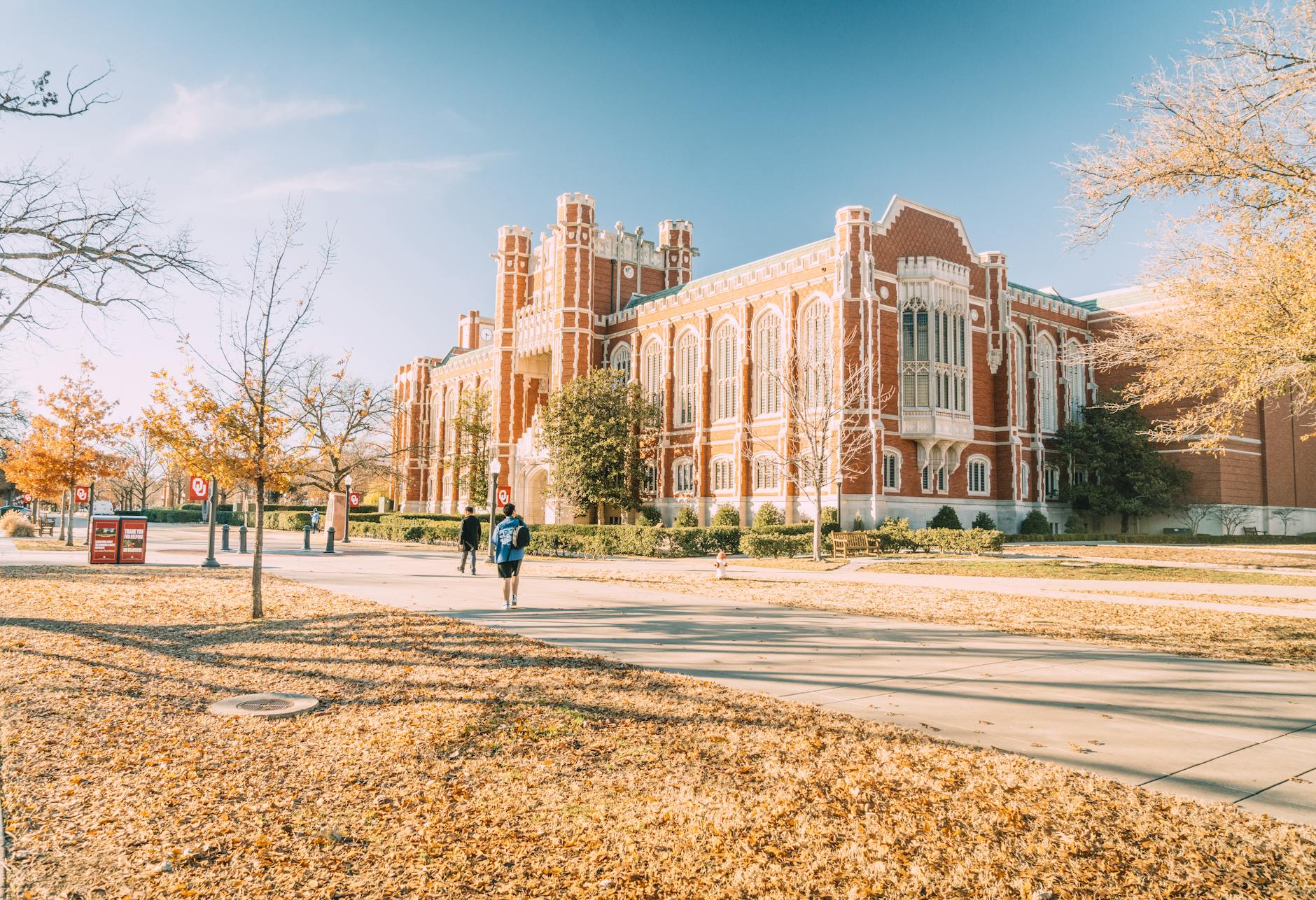
The race starts at 6:30am on Bancroft Street near the University of Toledo North Tower. The University was founded in 1872 and has anchored the west side of the city ever since. The crowd at the start is the largest it will be until the Glass Bowl. The Glass Bowl itself, where you will finish, is visible nearby, which is a useful reference point for what the next 26.2 miles are about.
The opening 3.5 miles drift gently upward, 44 feet of gain at 0.2% average, so gradual it doesn't register as a climb. Partial SW wind through the downtown building corridor. Add 8 seconds per mile through here and let the legs find their rhythm before the Ottawa Hills exposure begins.
Aid stations approximately every 1.5 miles throughout
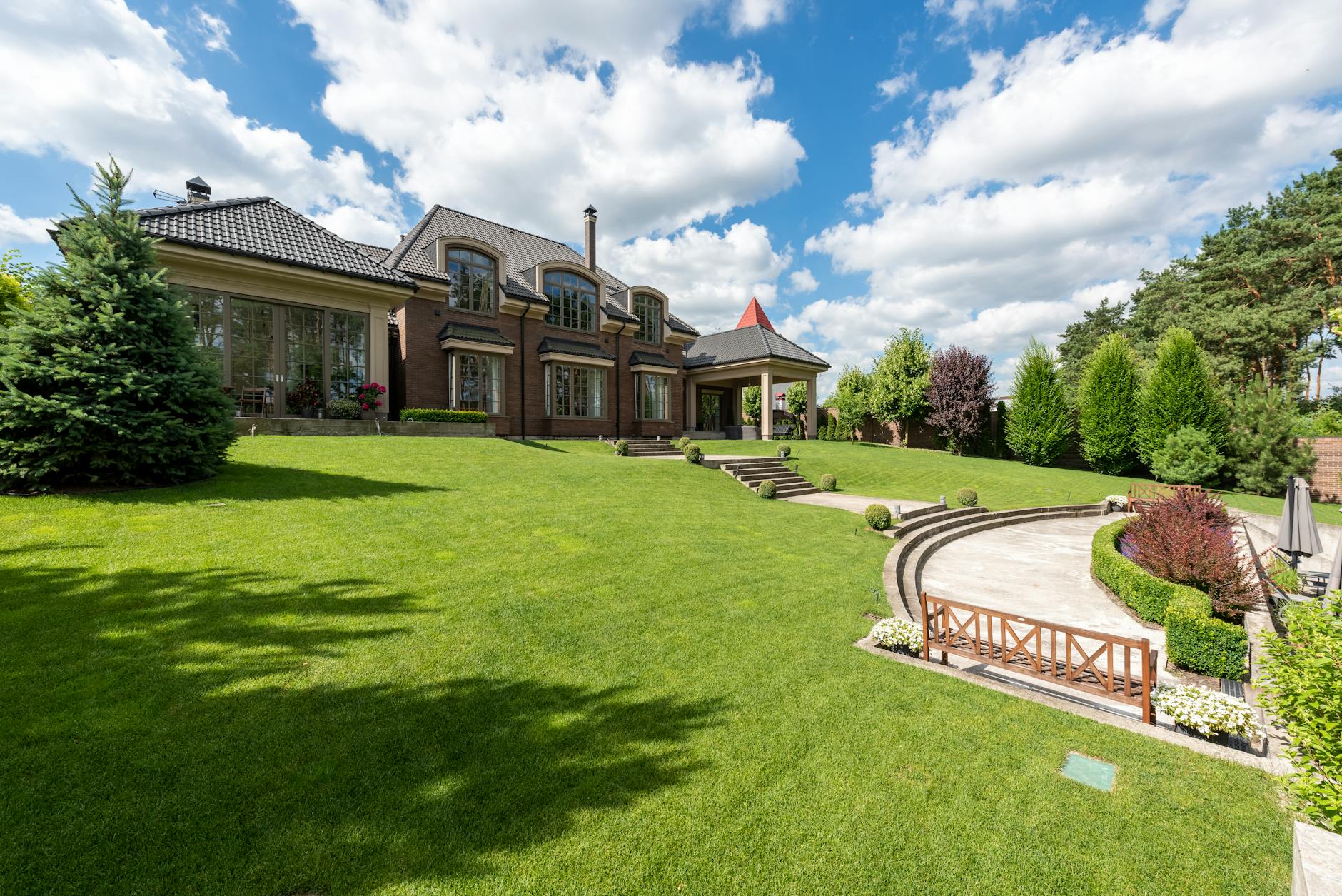
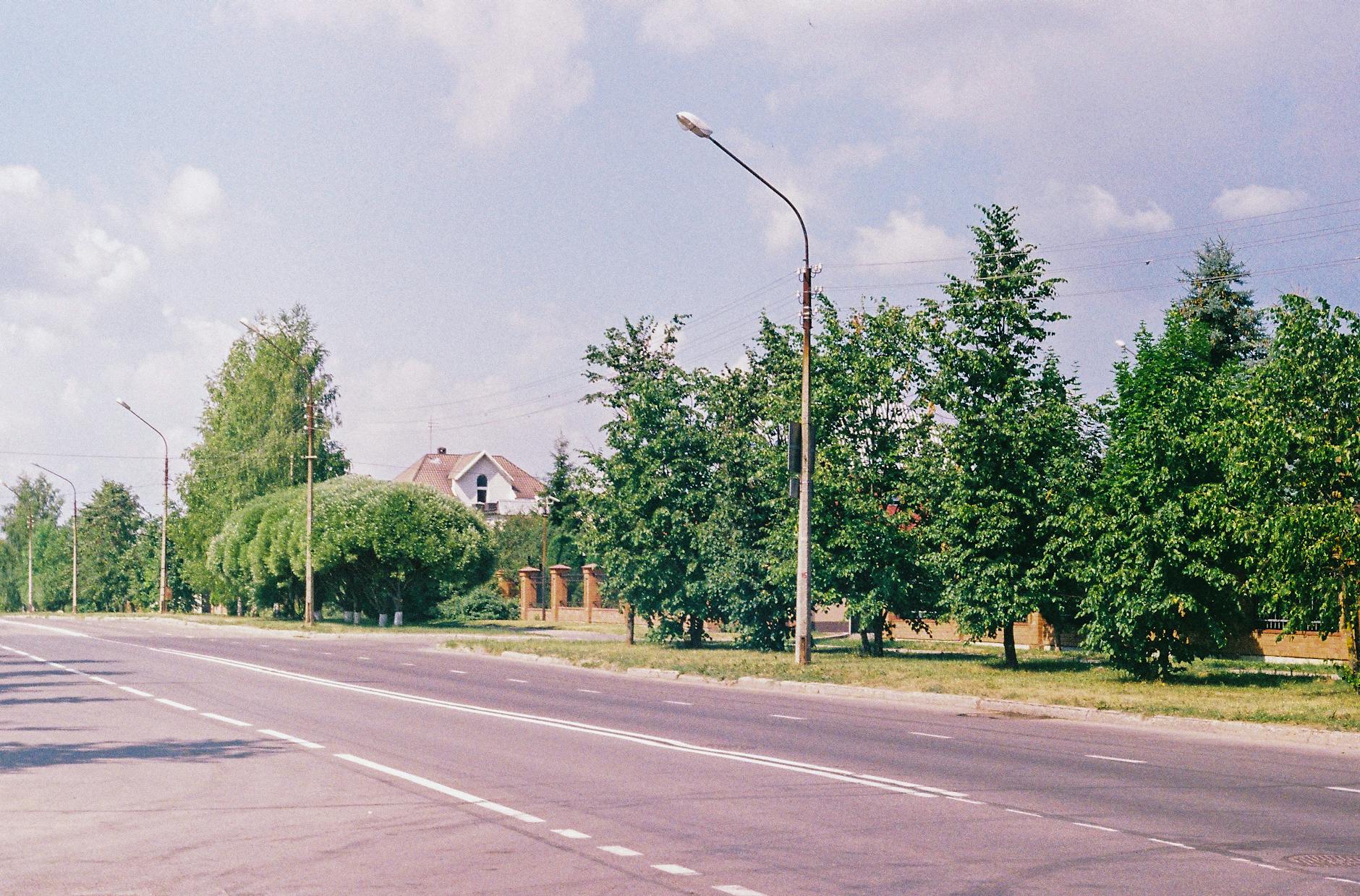
Ottawa Hills is a small affluent village within the Toledo metro, manicured estates, grand early-20th-century homes set back from wide residential streets, mature oak and hardwood canopy providing 40% shade. The crowd thins from start energy to neighborhood warmth. Some residents are out. The streets are quiet and wide.
This is the most wind-exposed section of the first half. Miles 3 through 7 carry a full SW wind off the open suburban corridors with minimal building protection. Draft off other runners where you can. A brief 29-foot climb at miles 5.25 to 6 punches briefly through the otherwise rolling terrain. Nothing concerning, just worth knowing it's there.
Beat the heat note: Toledo can run warm in April. If race morning is already in the 60s, these exposed miles are where it starts to cost something.
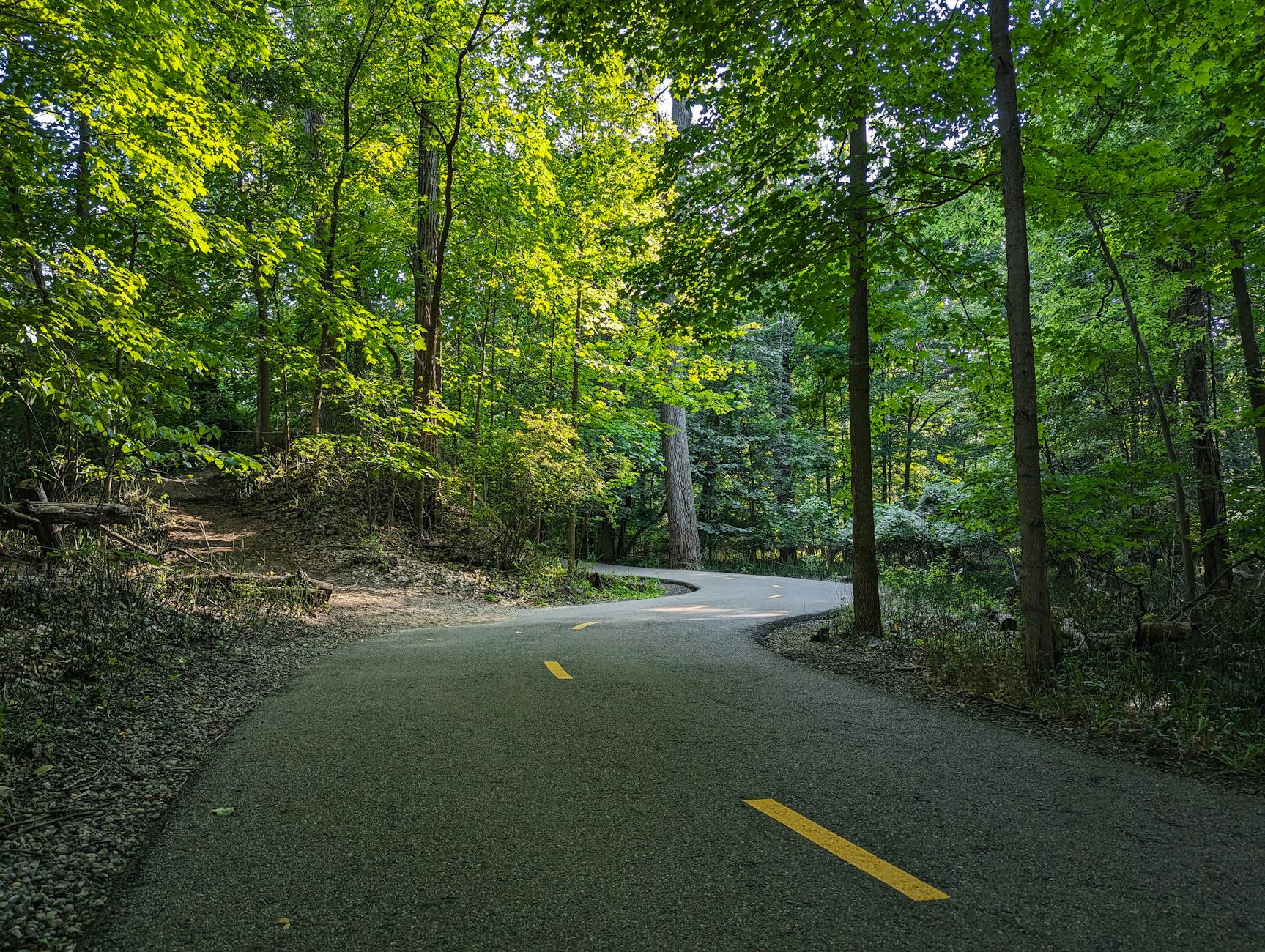
The course transitions off the residential streets onto the University Parks Trail and into the Metroparks system. Dense tree canopy closes overhead, 65% shade, the most shelter on the course, and the wind disappears. The Wildwood Metropark forested trails and open meadows carry the course through its northernmost reach. The character of the race changes completely.
The course's longest sustained climb, 76 feet over 3.76 miles at 0.4% average grade, runs through this section. It is genuinely mild. You will reach the top and wonder if you missed something. Add 8-10 seconds per mile anyway. The Sylvania neighborhood is at the far end, the crowd will return, and the descent back toward the city starts here.
Sylvania is a charming northwest Toledo suburb, tree-lined streets, neighborhood energy, local running clubs setting up aid and cheer stations that are a notch above the standard race volunteer experience. 35% canopy and partial NW wind protection. The loop through the northern arc is the quieter half of a race that is about to get louder.
Use this section to settle back into goal pace. The Sylvania miles are neither hard nor exceptional. They are the transition between the parks section and the Old West End, and they are worth running with complete composure.
This is the race's best stretch, and it is genuinely one of the more beautiful marathon miles you will find in the Midwest.
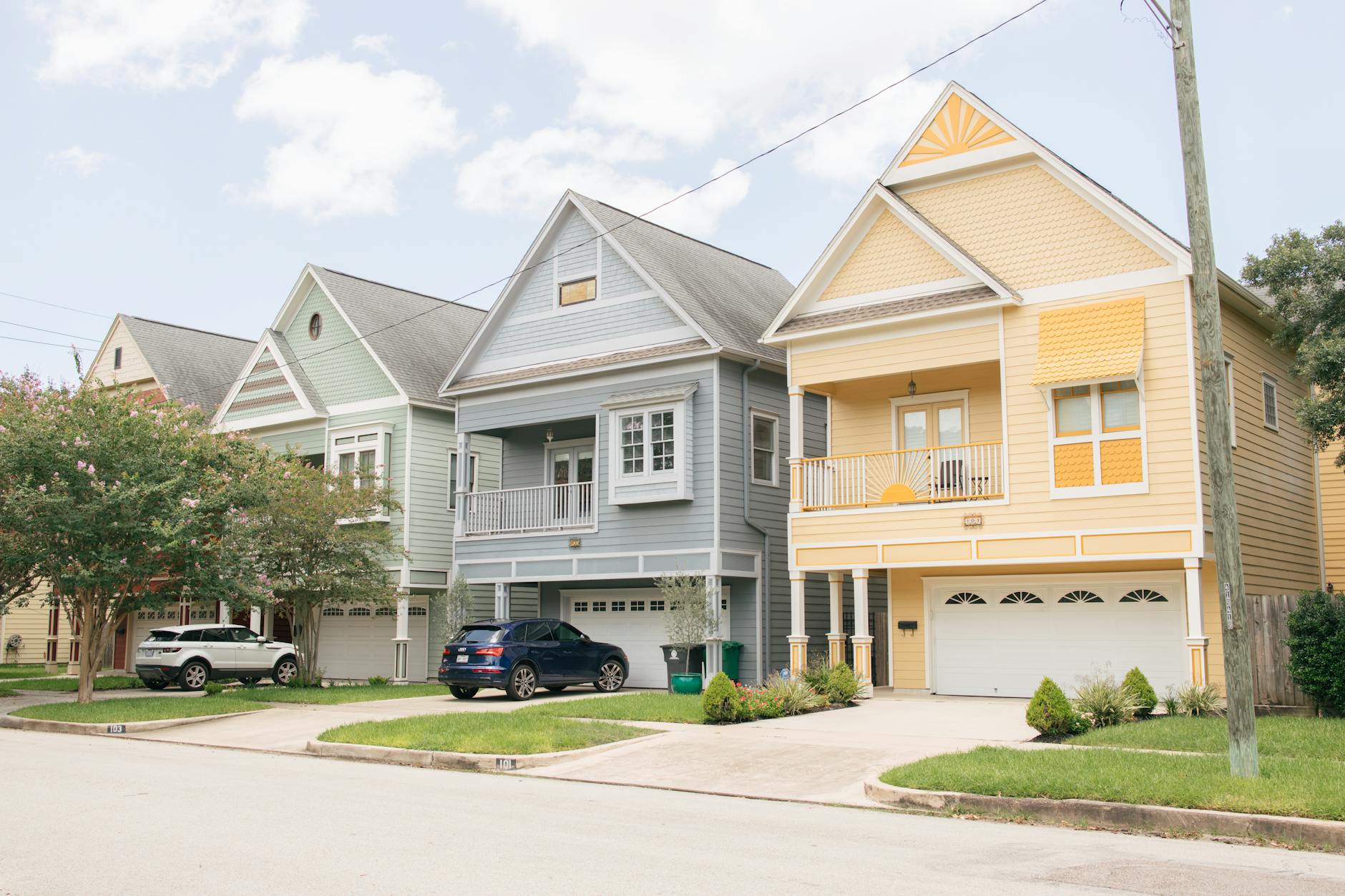
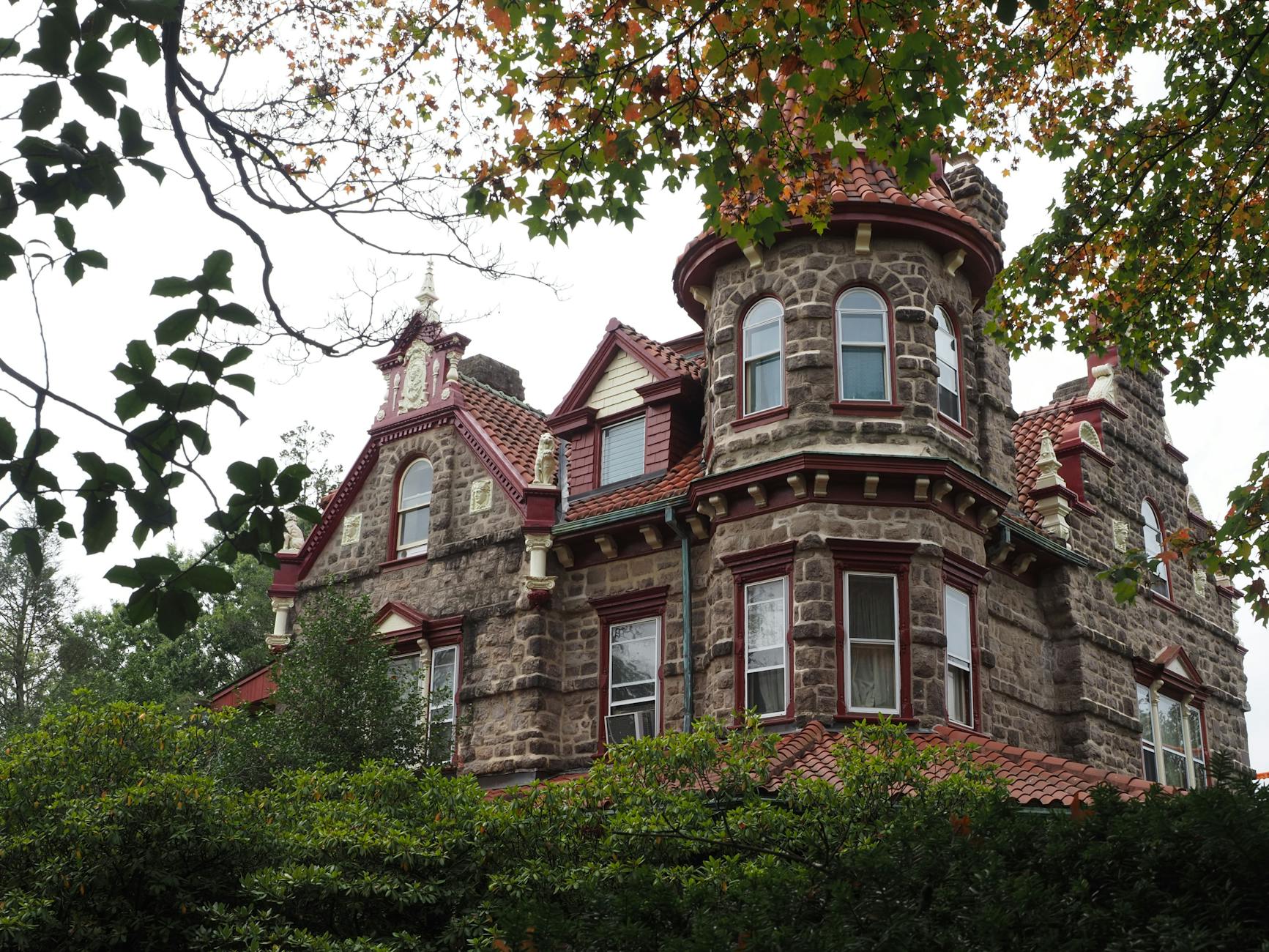
The Old West End is one of the largest collections of late Victorian and Edwardian homes in the United States, 25 city blocks of Queen Anne, Romanesque Revival, Colonial, Italian Renaissance, and Georgian architecture, most of it built between 1875 and 1915 for Toledo's glass industry millionaires, added to the National Register of Historic Places in 1973. The Toledo Museum of Art sits at the edge of the district, Greek Revival neoclassical building, free admission, with a Glass Pavilion across Monroe Street designed by the Japanese firm SANAA as their first American commission. The Glass Pavilion opened in 2006 specifically to house the museum's glass art collection. The New York Times architecture critic wrote of the curved glass walls: a chain extending back to the Hall of Mirrors at Versailles. You pass it in the middle of a marathon and it is worth looking at.
The crowd here is the heaviest of the back half. 55% canopy, partial NW wind protection, the most sheltered urban miles since the parks section. Run controlled. The exposed return miles are next.
The course turns south and the Old West End energy drops behind you. Open residential streets, 20% shade, SW wind arriving from the left with nothing to break it, sparse spectator support. This is where it gets honest.
Miles 17 through 20 are not difficult in any objective sense. 384 feet of total climbing on a course means these miles are nearly flat. But they are exposed and quiet and they arrive at the exact moment the marathon distance begins to ask for what you saved in the first half. Run by effort. The mile 20.5 climb is coming.
The course pivots east toward campus. The 49-foot climb at mile 20.5, 1.1% average grade, arrives with 20 miles already in the legs and no ceremony. It is brief. It is the steepest sustained pitch of the back half and the one runners mention when they say there is "one little steep elevation you do twice." By mile 21, the road tips back downward and the campus approach begins.
Scattered spectators return. Local running clubs reappear. The psychological lift of heading back toward the University is real. The crowd builds steadily through miles 22 and 23 as the Glass Bowl comes back into range.
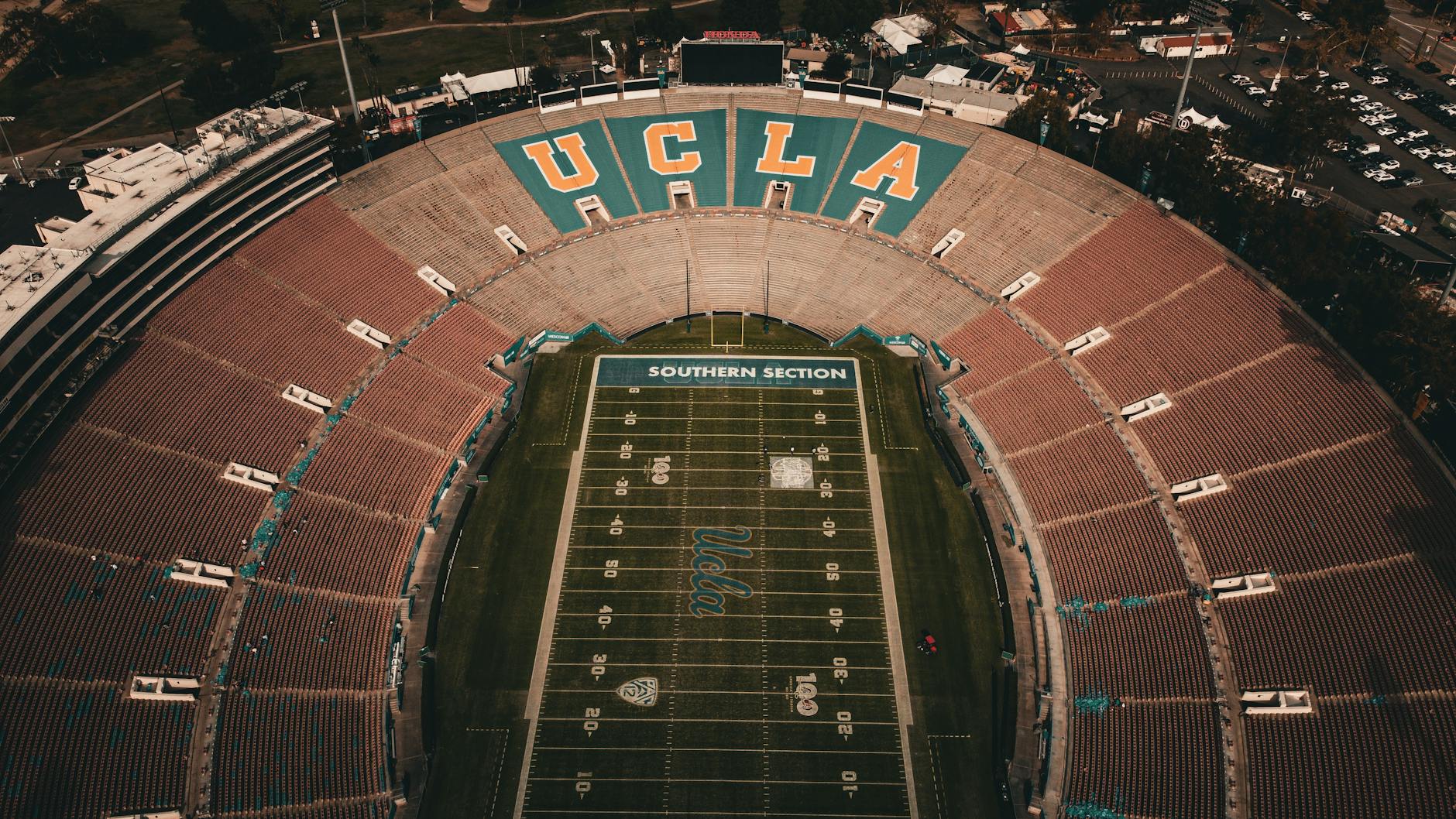
The Glass Bowl has been the University of Toledo's football stadium since 1937. 26,000 seats. The finish is on the field.
The final approach carries runners through the campus and into the stadium tunnel. You hear the crowd before the tunnel opens onto the field. Then the stands and the turf and the finish line. Over a third of the people who crossed this finish line last year did it with a Boston qualifying time. The stadium is not full, but the sound fills it anyway.
The final 1.5 miles include a mild rise back to the finish elevation, 31 feet at 0.4% grade, which you will notice less than you expect because the Glass Bowl is in front of you and the race is almost done.
You don't need to remember all of this on April 26. We give you a voice in your ear that knows the course, when the Ottawa Hills wind is a factor, how to pace the parks trail climb, and exactly what the back half is going to ask for when the Old West End energy runs out.
This isn't a generic plan. It's built around this course.
Get your race partnerFree · iPhone + Apple Watch
Glass City is a 2/5 difficulty course that delivers exactly what it promises. Flat, fast, well-organized, honest. Over a third of the field qualifies for Boston every year. That is not an accident. The course is genuinely flat and the race management is genuinely good, and the combination produces times that the terrain supports.
The things that catch people are not the hills. There aren't meaningful ones. They are the wind through Ottawa Hills and the exposed return corridor, the warm April mornings that turn into warm April middays, and the quiet miles 17 through 22 where the Old West End energy has faded and the Glass Bowl is still four miles away. Runners who go out conservatively through the exposed early miles and manage the back half with composure find this course does exactly what it advertises.
The Old West End at miles 14 through 17 is worth looking at while you're running through it. The mansions are real and the crowd is real and the Toledo Museum of Art Glass Pavilion at the edge of the district is genuinely remarkable architecture. Then the course turns south and you have nine miles left and the Glass Bowl is ahead. The tunnel opens onto the field and the finish line is there, in a stadium that has been standing since 1937, in the city that made the glass in most of the windows you've ever looked through.
You don't need to remember all of this on race day. We give you a voice in your ear that knows what's coming, the Ottawa Hills wind exposure, the parks trail climb, the Old West End miles, and the exposed back half that decides the race.
Eric's a good fit here. Data-driven, push-focused, and exactly the voice you want when the rail trail goes quiet at mile 20 and you need someone keeping your cadence honest rather than your spirits up.
This isn't a generic plan. It's built around this course.
Get your race partnerFree · iPhone + Apple Watch